Man With Van in Nine Elms

Man With Van Nine Elms provides practical moving support for homes, flats and small business deliveries in and around Nine Elms. The service is suited to straightforward transport jobs where a van, careful handling and sensible planning matter more than a full-scale removal team. Whether you are shifting a few rooms of furniture, moving boxed belongings or arranging a local collection, our work is built around clear loading, secure transit and tidy unloading.
The main service is flexible enough to cover single-item moves, part-load transport and local removals where the contents do not justify a larger vehicle. Customers often need help with access, heavy lifting, awkward items and timing between collection and delivery. For a broader view of the range, see the man with van service or compare it with moving van options when planning the size of vehicle and the style of move.
If you are looking for a van-based moving service that is easy to arrange and suited to everyday transport jobs, this page sets out the main choices in plain language. You can also request a price through our quote page or make initial contact when you are ready to share the details.
Everyday moves, collections and local transport

Our day-to-day work is centred on moving furniture, household items and general belongings from one address to another without unnecessary complexity. That may involve a student room, a studio flat, a small office, an online marketplace purchase or a few bulky items that need a van rather than a car. The service is useful when the job is organised, but still needs care with lifting, placement and route planning.
We also handle transport that sits between a removal and a courier job, such as furniture pick-ups, short-notice delivery runs and one-off transfers between storage and home. Where the load is awkward, we think about protection, stacking and the sequence of loading so that smaller items are not crushed and larger items are not scratched. You can read more about this type of work on our furniture pick-up page if the move begins with collecting an item rather than clearing a whole property.
Typical jobs include sofas, tables, beds, drawers, white goods, boxed contents and mixed household items. Because no two loads are quite the same, it helps to know what is going, where it is being collected from and where it needs to end up. If you need a simple moving arrangement that avoids overcomplication, tell us what needs transporting and we can discuss the most suitable approach.
Home removals for flats, houses and shared properties

When a move involves a full flat or house, the work becomes less about a single collection and more about sequence, access and safe handling. Our home moving support covers partial and full domestic removals, including the furniture, bags and boxes that make up an ordinary household move. For customers comparing options, the detailed home moves page and the broader house removals service explain the domestic focus of this work.
Many residential moves need a balance of loading space and careful timing. Stairwells, narrow entrances, lift use and parking arrangements can all affect how the move is carried out. We aim to load in a logical order so that essentials stay accessible and heavy items are placed safely. If the property has more contents than a standard van job but less than a full removal lorry would need, a man and van style service can be a practical middle ground.
It also helps to think about the destination before the move begins. A flat with limited access may need smaller loads, while a house move with several rooms may benefit from a plan that keeps important pieces separate. For customers who want the same kind of help described in plain terms, the house movers page offers another route through the domestic service range. Careful loading and clear room-by-room sorting make a noticeable difference to how smoothly a move progresses.
Office and commercial transport
Business customers sometimes need a moving van for desks, archive boxes, stock, chairs and small equipment rather than a large relocation crew. Our commercial moving support is intended for compact premises, relocations between local sites and practical transport where items must arrive intact and in the right order. It is often used for moves that need enough flexibility to work around opening hours, access restrictions and building rules.
Office transport usually works best when the load is arranged by function. Files, monitors, shelves and office furniture can be separated so that setup at the destination is quicker and less confusing. If you are planning a work-based move, the dedicated office relocation services page gives a useful overview, while office removals is a straightforward route for more general commercial moving needs.
We also support mixed commercial loads where a small business needs a dependable van move rather than a specialist freight job. That might include supplies, display items, boxed stock or workshop contents. In these cases the main decisions are usually about access, volume and loading order. If a business wants to reduce disruption, a well-organised collection and delivery plan can keep the move efficient without overcomplicating it.
Preparing a move without overdoing the admin
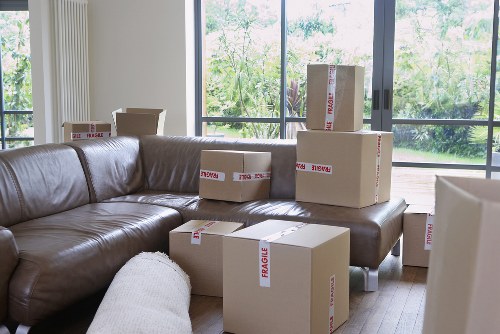
Good preparation does not need to be complicated. A short list of what is going, an idea of how many rooms or items are involved, and the collection and delivery postcodes are usually enough to begin a sensible discussion. If there are awkward objects, tight stairs, parking limits or items that need to be handled separately, it is useful to mention those early so the right vehicle and loading approach can be considered.
Photographs can help when items are bulky or the access is uncertain, but they are only one part of the picture. It is also worth thinking about whether items need dismantling, whether anything is especially fragile and whether the load includes anything that should not travel with the rest. If you are comparing service options, the packing and unpacking services page explains a related support option for customers who want help organising belongings before or after transport.
For many customers, the main practical question is how much help is needed on the day. Some moves require only loading, transport and unloading, while others benefit from an extra pair of hands for lifting or arranging furniture in place. Keep your note brief and factual, then ask for a quotation when you are ready. If you need to compare costs first, the pricing and quotes page is the best place to start.
What affects the quotation
Several straightforward factors can shape the quotation for a man with van job. Distance is one of the clearest, because a longer journey affects travel time and scheduling. Load size matters too, as a van that is almost full needs more careful arrangement than a smaller collection. Access can also change the effort involved, especially where there are stairs, long carries from the property or restricted parking near the entrance.
Item type is another consideration. Standard boxes and light furniture are easier to handle than oversized wardrobes, delicate mirrors or heavy appliances, so the handling requirements may vary. Timing can also matter where the job needs to fit around building access, busy streets or a particular collection window. The aim is not to complicate the process, but to match the work to the move so that the arrangement is realistic and clear.
For customers who want to understand how the service is structured, the broader removal services page and the more general removals page are useful companions to this homepage. They help place a simple van move within the wider range of moving support, from small local transport jobs through to more involved relocations. If you want the most accurate price, send the main facts together rather than spacing them out later.
Handling, protection and safe loading
Safe loading is one of the main reasons people choose a van-based moving service rather than trying to manage the job alone. Heavier items need to be placed so they do not shift during transit, while lighter or more fragile belongings should be protected from pressure. Blankets, straps and sensible stacking are all part of making sure the contents stay stable from collection to delivery.
Protection is especially important where the move includes polished furniture, glass, electronics or items with awkward edges. It is usually better to separate delicate pieces from heavier freight and to avoid overfilling the vehicle in a way that creates friction. If you are reviewing moving resources on the website, the insurance and safety page explains the safety-minded side of the service, while the health and safety policy gives a fuller picture of the care standards that support the work.
Customers often underestimate the value of a sensible loading order. Items needed first at the destination can be loaded in a way that keeps them reachable, while the bulkiest pieces can be positioned so weight is distributed evenly. A little planning at the start makes unloading simpler later. It also helps to use clear labels for boxes or keep a short note of which room each item belongs to.
Support for customers moving with a mixed load
Not every move is a complete house or office relocation. Some people only need a few items moved from storage, a marketplace collection brought home, or extra furniture transported after a room refresh. In those cases the job still benefits from the same careful approach: a suitable vehicle, a sensible loading sequence and a clear understanding of where everything should go at the end.
This mixed-load type of work can also include pieces that do not travel well in a normal car. Beds, mattresses, wardrobes, shelving, exercise equipment and boxed belongings are all common examples. If the move is mostly household items but includes one or two heavier objects, it can still fit neatly within a van service. For a related domestic option, the house removalists page provides another route into the residential service area.
When you are organising a mixed load, the key is to keep the list simple but complete. Note what is going, whether it needs to be collected from one address or several, and whether any items need to be placed in specific rooms on arrival. That gives a far better basis for planning than a vague description alone. Clarity at this stage saves time later and helps the move stay orderly.
About Nine Elms

Nine Elms is an area on the south bank of the River Thames in the London Borough of Wandsworth, stretching between Battersea and Vauxhall and shaped for decades by rail, road and riverside industry. The district takes its name from the historic trees that once stood near the river, and its modern form reflects major redevelopment around the former industrial land that dominated the area in the twentieth century. Large-scale regeneration has brought new housing, public spaces and transport links, while some older features of the landscape remain visible in the pattern of streets and in the surviving industrial heritage nearby. The Battersea Power Station complex, one of London’s best-known landmarks, sits close to the western edge of the area and now forms part of a wider mixed-use district. Nine Elms also includes the New Covent Garden Market site, an important wholesale market that has long been associated with the area’s commercial identity. The Northern line extension opened in 2021, improving Underground access through Nine Elms and Battersea Power Station stations, and the area’s riverside frontage continues to connect it with the Thames Path and nearby central London routes. Despite the pace of recent change, Nine Elms still combines new towers, established transport corridors and pockets of older urban texture, giving it a distinctive place in south-west London’s changing cityscape.
Special items, access issues and when to choose a van move
Some jobs are straightforward in volume but still need extra thought because of the item type or the access conditions. Large mirrors, pianos, plant pots, fragile artwork and oversized furniture may need more space, better protection or an extra person to help with lifting. Likewise, a move from an upper floor or a building with restricted access can be better handled in stages rather than rushed in one trip.
Choosing a van move makes sense when the load is modest, the route is local and the customer wants a practical service without booking a full removal package. That can suit tenants moving between flats, small households moving part of their belongings or businesses with a short delivery window. If the job develops into something larger, the broader removal company page and the removal companies page are available for customers comparing wider moving options.
It is often best to think in terms of the actual items rather than the property size alone. A small flat can still contain awkward furniture, while a compact business move may include several heavy pieces. Our role is to make the transport manageable and predictable. If you are close to deciding, ask for a quotation and include the key facts in one message.
Get the right moving support
Customers often want a service that is simple to understand and easy to match to the job in hand. That is why we keep the van move focused on practical transport, careful handling and clear communication about what is involved. If you need a broader household option, the house removals page can help; if your move is more commercial, commercial moves is a useful companion page.
If you are comparing different wording across the site, the man and van removals page and the man with a van page offer closely related routes into the same kind of transport support. The essential choice is usually about scale: whether you need a compact, flexible van job or a more comprehensive removal arrangement. Keep the main facts together, mention any access limitations and state where the items need to go.
Ready to move ahead? You can contact us for the next step, or use our quotation page if you prefer to start with the figures. A clear enquiry helps us understand the load, the distance and the level of help needed, so the reply can be relevant and easy to act on.