Household waste disposal rules in SW8 (Wandsworth Council)
Posted on 10/06/2026
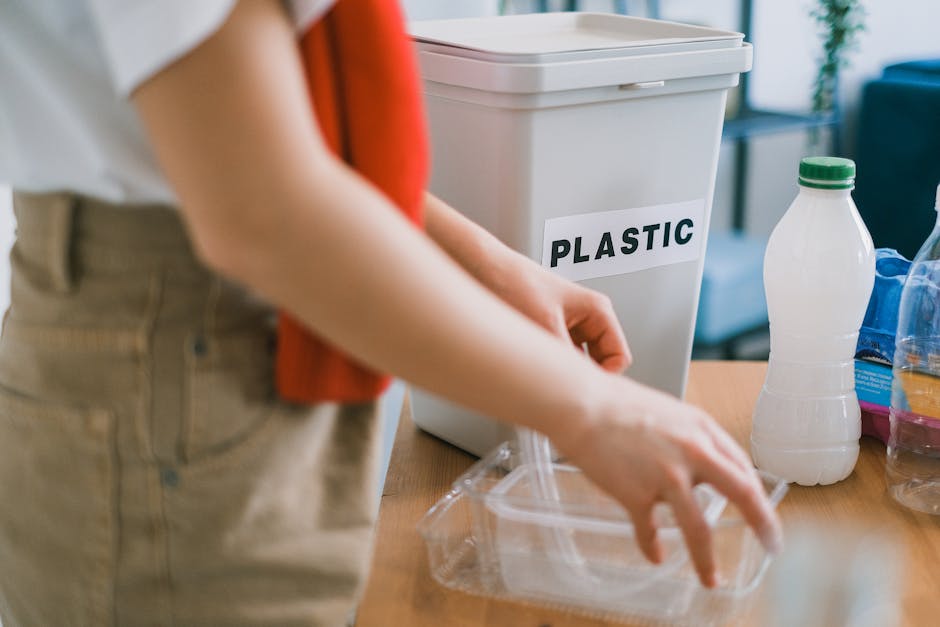
Household waste disposal rules in SW8 (Wandsworth Council): a practical local guide
If you live in SW8, rubbish collection can feel oddly complicated at first. One week your bin is taken, the next it seems to sit there in the rain, and suddenly there's a question about food waste, bulky items, or whether that broken chair can just go out with the normal rubbish. This guide explains the household waste disposal rules in SW8 (Wandsworth Council) in plain English, so you can sort waste properly, avoid missed collections, and keep your street looking decent. Simple enough? In practice, there are a few local habits worth getting right.
Whether you are in a flat near Nine Elms, a terrace in a quieter residential pocket, or moving out and trying to leave the property spotless, the details matter. And truth be told, a lot of the hassle comes from small mistakes: the wrong bin lid, a bag left beside the container, or putting recycling in half-rinsed and mixed. Let's make it easier.
Why Household waste disposal rules in SW8 (Wandsworth Council) Matters
Waste rules are not just about being tidy. In SW8, where you'll see a mix of apartment blocks, shared entrances, managed estates and busy pavements, poor waste disposal can quickly become a nuisance for everyone around you. Bags left on the street attract pests, create smells in warmer weather, and can block access for neighbours, cleaners or collection crews.
There is also a practical side. If you are disposing of waste incorrectly, your bin may not be emptied, or you may end up with repeat problems that take more time to fix than it would have taken to sort things properly in the first place. That becomes especially annoying when you're moving house or doing a big clear-out. A few extra minutes of sorting can save a morning of frustration. Who wants to stand in a stairwell at 7:30 a.m. wondering where the black bag should go? Not many people, to be fair.
Good waste habits also support broader sustainability goals. Recycling correctly, keeping food waste separate, and using the right channel for bulky or hazardous items all reduce contamination. That means more of what you throw away has a better chance of being handled responsibly. If you are also trying to make your move more efficient, it can help to read practical decluttering advice before a move and useful guidance on cleaning before leaving a house, because good waste sorting and a proper clean-out tend to go hand in hand.
How Household waste disposal rules in SW8 (Wandsworth Council) Works
At a basic level, household waste disposal in SW8 follows the usual London pattern: different types of waste go into different containers or collection streams. That means general rubbish, recycling, and food waste should not be treated as the same thing. The exact arrangements can vary a little depending on your building type, bin store, estate management setup, or whether you live in a house or a flat.
In many homes, the key questions are straightforward: what goes in the general waste bin, what is recyclable, and where does food waste belong? But the awkward bit is often the in-between stuff. Think greasy takeaway boxes, broken glass, batteries, paint tins, leftover packaging from a delivery, or old items you cannot just flatten and toss. Those need a bit more judgement.
If you live in a managed building, there may be extra instructions from the landlord, housing association, or managing agent. Those instructions can sit alongside council rules, especially in shared bin areas. So you may find that the building has its own signs, bin rooms, or collection arrangements. The safest habit is to follow the clearest local instruction you can see, and if that conflicts with your expectations, check what the property manager says before dumping something in the wrong place.
One very local wrinkle in SW8 is space. Flats can be compact, and bin storage areas are often tight. That means overfilled bags, loose cardboard, or mixed recycling can become a real nuisance quickly. A neat system at home helps: a small recycling caddy, a lined food waste container, and one box for "not sure yet" items until collection day. Boring? Maybe. Effective? Absolutely.
Key Benefits and Practical Advantages
Following the household waste rules carefully gives you more than a clean conscience. It has everyday advantages that are easy to notice once you get used to them.
- Fewer missed collections: Waste that is sorted properly is less likely to be left behind.
- Cleaner communal spaces: Shared entrances and bin stores stay more pleasant for everyone.
- Less smell and pest risk: Food scraps and overfilled bags are less likely to cause issues.
- Easier moving and decluttering: Sorting waste early stops clutter building up at the end of a move.
- Better recycling outcomes: Cleaner, separated materials are easier to process responsibly.
There is also a quieter benefit: life just feels more under control. If you are packing boxes, clearing cupboards, and trying to keep a flat livable at the same time, a simple waste routine removes one source of background stress. A lot of people only notice this when the rubbish starts piling up by the back door and the flat begins to smell faintly of old cardboard and coffee grounds. Not ideal.
For households preparing to move, sensible waste habits also reduce the number of things you need to transport. A lighter load is easier on your back, easier on your time, and often easier on your budget too. If you want more support with the physical side of a move, the guidance in proven techniques for moving house without hassle is a good companion read.
Who This Is For and When It Makes Sense
This guide is for anyone dealing with domestic waste in SW8, but it is especially useful if you fit one of these situations:
- Flat residents using shared bins or bin stores
- Homeowners managing general waste, garden cuttings, or renovation debris
- Tenants trying to leave a property clean and compliant at the end of a lease
- People moving in or out and generating a surprising amount of packaging, broken bits, and leftover items
- Busy families who need a simple routine that prevents waste from accumulating indoors
It makes sense to pay extra attention when you are handling bulky items, old appliances, or mixed waste after a clear-out. For example, after replacing a sofa, mattress, or freezer, people often assume the old item can just be left by the bins. That is usually not the answer. If you are dealing with furniture or appliance changes, it may help to plan ahead using resources like sofa storage recommendations or safe freezer storage guidance if the item is being kept, moved, or temporarily stored.
Students in shared accommodation also benefit from getting this right early. Shared kitchens can get chaotic fast, and rubbish tends to become everyone's problem when no one owns it. That bit is familiar, isn't it?
Step-by-Step Guidance
If you want a practical routine rather than a pile of abstract rules, use this process.
- Separate waste at the source. Keep general rubbish, recycling, and food waste in different containers from the start.
- Flatten and rinse where appropriate. Cardboard should be flattened, and recycling should be free from obvious leftover food or liquid.
- Check building instructions. In a flat block or managed estate, look for any bin-store labels, notices, or instructions from the property manager.
- Bag general waste securely. Loose rubbish can spill, tear, or blow around. Use sturdy bags and avoid overfilling them.
- Keep food waste contained. Empty food caddies regularly, especially in warmer weather.
- Hold aside unusual items. Batteries, paint, electronics, large furniture, or broken appliances should be separated until you know the correct route.
- Put bins out on the right day and time. That sounds obvious, but it is one of the easiest things to get wrong when you're rushing.
- Bring bins back in if required. In areas where this applies, don't leave them out longer than needed.
A sensible routine is especially helpful during a house move. You can do a "three pile" sweep: keep, donate/rehome, dispose. That alone cuts the chaos massively. If you are packing at the same time, a structured approach from smart packing solutions for moving day can help you avoid mixing useful items with rubbish by accident.
One small but important point: if you are unsure about a tricky item, do not guess. Put it aside and check the proper disposal route. Guessing is how people end up with a half-decomposed lamp, a leaking bottle, and a bin store that smells like regret.
Expert Tips for Better Results
Over time, the most reliable waste routines are the ones that are easy enough to repeat without thinking too hard.
- Use a visible home system: Label containers for recycling, food waste, and general rubbish so everyone in the home can follow it.
- Keep a small "problem items" box: Put batteries, light bulbs, and similar odds and ends there until you can deal with them properly.
- Deal with waste before it becomes a smell: Especially in smaller SW8 flats, empty food waste and damp packaging regularly.
- Pack with disposal in mind: As you clear cupboards, sort items by whether they are kept, donated, recycled, or discarded.
- Don't overload the bin room: If containers are full, wait for the next appropriate collection rather than leaving bags in a corridor.
If you are physically clearing heavy items, take your time. A sore back can turn a simple household job into a miserable afternoon. The same goes for any lifting around bin stores or garages. A light read on safe lifting principles is worth it if you are handling awkward loads, and tips for solo heavy lifting can help you avoid the classic "I can manage this" mistake that immediately becomes false.
To be fair, the best tip is often the dullest one: stop waste from building up. A five-minute sort every couple of days is much easier than a full-scale weekend cleanup when the kitchen bin is already full and the recycling is a bit questionable.
![Close-up image of a collection of discarded aluminium cans, some crushed and others intact, piled together with a few plastic food containers and cardboard packaging materials. The cans are silver, with pull tabs visible, and are positioned inside a cardboard box that is partially open. In the background, additional packaging items such as food wrappers and plastic bottles can be seen, indicating household waste awaiting disposal or recycling. This scene is set in an indoor environment, possibly near an entryway or storage area, with natural or ambient lighting illuminating the waste materials. The arrangement suggests the process of consolidating household waste for collection during a home relocation or moving process, with [COMPANY_NAME] providing professional removals and logistics services, including waste disposal adhering to local disposal rules like those in SW8 (Wandsworth Council).](/pub/blogphoto/household-waste-disposal-rules-in-sw8-wandsworth-council2.jpg)
Common Mistakes to Avoid
Most waste problems in SW8 are not dramatic. They are small, repeated mistakes that create bigger issues over time.
- Putting mixed waste in recycling: Even a small amount of contamination can make the whole load less useful.
- Leaving bags beside full bins: This often creates mess, attracts pests, and can lead to complaints in shared spaces.
- Ignoring estate-specific rules: Building instructions can matter as much as general council guidance.
- Forgetting about bulky waste: Furniture, mattresses, and appliances usually need separate arrangements.
- Tossing hazardous items into normal rubbish: Batteries, chemicals, sharp objects, and certain electrical items need extra care.
- Waiting until the last minute: A last-minute clear-out tends to produce mistakes and hidden waste.
There is a particular kind of chaos that happens on the eve of a move: one bag for kitchen waste, one for packing debris, one for old cables, and no one remembers which is which. You can avoid that by sorting as you go. It sounds almost too simple. It isn't.
Another common mistake is forgetting that "clean" packaging may still be waste if it is no longer needed. If you are settling into a new place nearby, you may find the same issue again with delivery boxes and leftover wrapping. That is why practical move-in advice, such as tips for Battersea Power Station flats near Nine Elms, can be unexpectedly useful even if your main concern is waste rather than moving itself.
Tools, Resources and Recommendations
You do not need a complicated setup to manage household waste well. A few basic tools go a long way.
- Labelled kitchen caddies: Keep food waste separate and easy to empty.
- Sturdy bin bags: Use the right size for your bin and avoid overstuffing.
- Flattening knife or box cutter: Useful for breaking down cardboard safely, though always handle blades carefully.
- Small storage box for odd items: Ideal for batteries, bulbs, charger cables, and other loose bits.
- Gloves and cleaning wipes: Handy for bins, sticky packaging, and quick clean-ups after a collection.
For home moves and big clear-outs, it also helps to think about what should be kept safely rather than thrown away. A sofa waiting for storage, a freezer that needs temporary care, or a mattress that should be moved without damage all change the waste picture. You may find guidance on moving beds and mattresses useful if you are deciding what to store, move, donate, or dispose of.
If your home has a lot of furniture turnover, the broader service and planning pages on the site can also help you think through logistics, though your own situation should always drive the decision. And when in doubt, practical sorting beats rushed disposal every time.
Law, Compliance, Standards, or Best Practice
For domestic waste, the safest mindset is to follow local collection guidance, respect property rules, and use common UK waste best practice. That means presenting waste in the correct container, not leaving loose rubbish where it can spread, and separating recycling from general refuse as cleanly as possible.
If you live in a shared block, compliance may also include estate rules about where bins are stored, when they are put out, and what can go into communal waste areas. Even if the rules feel fussy, they usually exist because someone had a bad experience before. Damp bags in a corridor or a blocked bin room have a way of teaching people lessons the hard way.
For anything hazardous, electrical, or bulky, do not assume standard household bins are acceptable. Best practice is to keep those items aside and follow the correct route for disposal or collection. This is especially important for things that can leak, break, or pose a safety risk. If you are also dealing with removals, the company policies on health and safety and insurance and safety may be worth reviewing so your disposal and moving plans line up sensibly.
There is no clever shortcut here. Good compliance is usually just quiet, methodical routine.
Options, Methods, or Comparison Table
Different household waste situations call for different methods. Here is a simple comparison that can help you decide what makes sense.
| Method | Best for | Pros | Limitations |
|---|---|---|---|
| Normal household bins | Everyday kitchen and household waste | Simple, familiar, usually convenient | Not suitable for bulky, hazardous, or oversized items |
| Recycling separation | Clean paper, card, cans, plastic and similar materials | Supports lower waste and better recycling outcomes | Contamination can reduce effectiveness |
| Bulky waste arrangement | Furniture, mattresses, appliances | Handles large items safely and properly | Usually requires planning and timing |
| Temporary sorting at home | Moves, decluttering, clear-outs | Helps avoid mistakes and keeps items organised | Takes up some space during the process |
If you are choosing between methods during a move, practical planning is everything. Small flats in SW8 do not have the luxury of endless storage space, so temporary sorting boxes and a clear disposal plan make a real difference. On busy days, that little bit of structure can feel like a lifesaver. Honestly.
Case Study or Real-World Example
Here is a common SW8 scenario. A couple moves out of a rented flat after four years. They have old cardboard from furniture deliveries, a broken bedside table, some expired kitchen items, and a freezer that is being replaced. At first, everything gets stacked in one corner because they are too busy packing. By the second evening, the corner has become a mini mountain.
What works better? They separate the waste into four streams: recycling, general rubbish, bulky items, and keep/store. The cardboard is flattened. The kitchen waste is emptied daily. The broken bedside table is kept aside for proper disposal, not slipped into the nearest bin by mistake. The freezer is handled as a separate item because it is not something to improvise with at the last second.
By the end of the week, they have a cleaner flat, fewer arguments, and a much easier handover. The final clean is quicker too, which matters when keys need to be returned and time is tight. A good move-out routine often includes both waste control and finishing touches, and that is where resources like effective cleaning before leaving a house can fit in naturally.
The lesson? Waste management is rarely a dramatic problem. It is usually a collection of small decisions made early enough to stay calm.
Practical Checklist
Use this checklist before collection day or before a move.
- Have I separated general waste, recycling, and food waste?
- Are cardboard boxes flattened and kept dry?
- Have I checked any building-specific bin instructions?
- Have I removed loose rubbish from corridors or shared areas?
- Are batteries, bulbs, and electrical bits kept aside?
- Do I know what to do with bulky items?
- Have I avoided overfilling bags or forcing lids closed?
- Is any food waste sealed and ready to empty regularly?
- Have I planned a final sweep before leaving the property?
- Do I need extra moving support for heavy or awkward items?
If you answered "no" to more than one of those, no panic. Just pause and reset the system before it turns into a bigger job later.
Conclusion
Household waste disposal rules in SW8 (Wandsworth Council) are easiest to manage when you treat them as part of everyday home organisation, not as an afterthought. Separate waste early, respect local collection arrangements, be careful with bulky or unusual items, and keep shared spaces clear. That is really the whole game.
For households that are moving, decluttering, or simply trying to keep on top of a busy London routine, a bit of structure pays off quickly. Less mess, fewer missed collections, better recycling habits, and a calmer flat. Not bad for something most of us would rather never think about.
If you are planning a move or need help handling bulky household items alongside your waste clear-out, it can make life much easier to work with a local removal team that understands the area and the practical realities of SW8 living.
Get a free quote today and see how much you can save.
And once the last box is gone and the bin store is tidy again, there is a small, satisfying kind of peace to it. One less thing weighing on the week.