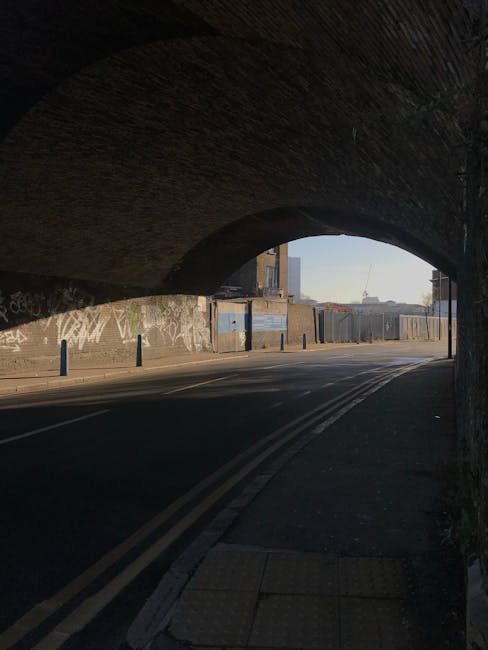
Best removal routes on Nine Elms Lane and SW8 hotspots
Moving in SW8 can be straightforward on paper and a bit more complicated in real life. Between Nine Elms Lane traffic, riverside developments, loading restrictions, bus lanes, and the usual London stop-start pace, the Best removal routes on Nine Elms Lane and SW8 hotspots are rarely the ones that look shortest on a map. They are the ones that save time, protect your belongings, and reduce the chances of awkward delays outside a block of flats at the exact wrong moment. Truth be told, that matters more than most people expect.
This guide breaks down how to plan a sensible route through Nine Elms, which local pinch points tend to slow a move, and how to choose a route that fits your property type, vehicle size, and moving schedule. Whether you are moving from a high-rise apartment, a townhouse, or a small business unit, you will find practical guidance here rather than vague generalities.
In our experience, the difference between a smooth move and a stressful one is usually not the packing. It is the route.
Table of Contents
- Why Best removal routes on Nine Elms Lane and SW8 hotspots Matters
- How Best removal routes on Nine Elms Lane and SW8 hotspots Works
- Key Benefits and Practical Advantages
- Who This Is For and When It Makes Sense
- Step-by-Step Guidance
- Expert Tips for Better Results
- Common Mistakes to Avoid
- Tools, Resources and Recommendations
- Law, Compliance, Standards, or Best Practice
- Options, Methods, or Comparison Table
- Case Study or Real-World Example
- Practical Checklist
- Conclusion
- Frequently Asked Questions
Why Best removal routes on Nine Elms Lane and SW8 hotspots Matters
SW8 is not one single moving environment. It is a mix of riverside apartment towers, quieter residential roads, main-road traffic, commercial premises, and redevelopment pockets that can change access patterns from one month to the next. Nine Elms Lane is especially sensitive because it sits in a busy corridor where deliveries, public transport, residential traffic, and construction vehicles often overlap. If you pick the wrong route, you can lose time before you even reach the front door.
That is why route planning matters so much. The best route is not always the most direct route. Sometimes it is the one that gives you cleaner access to the property entrance, easier loading, fewer turns, or a safer place for the removal vehicle to wait without blocking traffic. For larger vans and trucks, that can make a real difference to the pace of the move.
There is also a stress factor people underestimate. A move already comes with paperwork, keys, boxes, friends who are "running ten minutes late" and a kettle packed somewhere unreachable. Add roadworks or a poor unloading plan, and the whole day starts to feel heavier. A smart route reduces that pressure before it builds.
Local knowledge helps here. If you are comparing removals near me options, the strongest providers are usually the ones who think beyond the postcode and into the actual road layout, access timing, and vehicle fit.
How Best removal routes on Nine Elms Lane and SW8 hotspots Works
Good removal route planning usually follows a simple logic: get the vehicle as close as safely possible, avoid bottlenecks, and choose the side streets or access points that minimise stop-start manoeuvring. Sounds obvious. Yet it is exactly where many moves go sideways.
For Nine Elms Lane and the wider SW8 area, the route decision usually depends on a few factors:
- Vehicle type - a man and van setup can often work flexibly where a larger moving truck may need stricter access planning.
- Property access - lift access, concierge instructions, basement loading, courtyard entry, or street-side parking all change the route choice.
- Traffic timing - a route that is fine at 9:30am may be frustrating by early afternoon.
- Turn radius and road width - tight turns can add time, especially if a driver has to reverse in a busy street.
- Loading restrictions - if you cannot stop close to the entrance, the best route may be the one that drops you nearest a workable loading bay.
In practical terms, the process works in three layers. First, you choose the wider approach into SW8. Then you narrow it down to the road or side street that best suits the building access. Finally, you decide the exact stopping point for loading and unloading. A good mover does not improvise this at the kerb. They think it through before the van turns the corner.
That is especially useful when using services such as man and van or removal services, because the whole point is to make the move feel coordinated rather than patchy.
Key Benefits and Practical Advantages
A well-planned removal route does more than save a few minutes. It changes the shape of the whole move.
1. Less waiting, less frustration
Time spent circling the block is time you are paying for, or at least time you could have used getting boxes out of the flat. The right route reduces those annoying dead moments where everyone is standing around looking at the road. A tiny delay feels bigger when you are carrying wardrobes down stairs, doesn't it?
2. Better protection for furniture and fragile items
Shorter walking distances from vehicle to property entrance mean fewer knocks, fewer awkward lifts, and fewer chances of scraping walls, banisters, or door frames. That matters a lot in buildings with narrow communal areas or polished finishes.
3. Easier scheduling
When access is predictable, you can plan lift slots, handovers, cleaners, and key collection with much more confidence. This is one reason many customers prefer removal companies that also offer packing and unpacking services; the whole day becomes easier to coordinate.
4. Lower risk of access problems
Some SW8 hotspots are busy enough that a poorly chosen route can create issues with parking, building security, or blocking a junction. Better planning helps reduce that risk before it starts.
5. More suitable for different move sizes
A one-bedroom flat move and a full office relocation need very different route planning. If you are moving work equipment, filing, or multiple desks, a route that supports office removals may be better than a short-cut designed for a small domestic move.
Expert summary: the best route is rarely the shortest line on a sat-nav. It is the route that gives you reliable access, manageable parking, and the least physical effort at both ends of the move.
Who This Is For and When It Makes Sense
This kind of route planning is useful for far more people than just families moving house. In fact, SW8 is full of moves where route choice becomes the quiet make-or-break factor.
- Flat movers in riverside developments or apartment blocks with limited roadside access
- Home movers who need a dependable plan for furniture, white goods, and boxed household items
- Students and sharers moving with smaller loads but limited help on moving day
- Small business owners relocating stock, desks, or IT equipment
- People using a man-with-a-van setup who need flexible access rather than a huge vehicle
- Anyone with large, awkward, or fragile items that should not be carried a long distance from the vehicle
It also makes sense if you are moving during a narrow time window. Maybe your lease starts at noon, your lift slot is booked for 45 minutes, and you have exactly one neighbour already eyeing the corridor. In that sort of situation, route efficiency is not a nice extra. It is essential.
If you are still comparing options, a broader review of removal companies can help you judge who actually understands the local road pattern and who is just selling a generic service.
Step-by-Step Guidance
If you want a sensible removal route in Nine Elms and SW8, work through the move in a structured way. You do not need to make it complicated, just thoughtful.
- Check the property access first. Look at the entrance, lift, stairwell width, and where the vehicle can reasonably stop. If there is concierge guidance, note it early.
- Map the practical loading point. The closest legal stopping point is not always the best one if it creates awkward carrying distances or conflicts with a busy junction.
- Consider the size of the vehicle. A smaller van may be easier in tighter SW8 streets, while a larger truck may work better if the access is open and the load is substantial.
- Choose timing carefully. Early starts can be calmer, but only if the building allows it. Mid-morning sometimes works better for lift availability and street flow. There is no magic answer, just context.
- Plan the sequence of loading. Heavy items first, fragile items protected, and anything needed immediately at the destination kept accessible.
- Allow for a backup approach. If the first stopping point is blocked, know where the alternative access is. A good fallback saves a lot of noise and hassle.
A small real-world observation: on moving day, people often discover they have packed the charger, the tea bags, and the flat keys in three different boxes. Route planning will not solve that, sadly, but it does take one major variable off the table.
For households comparing vehicle types, browsing man with van removal can help clarify whether a lighter, more flexible approach suits your road access better than a bigger vehicle.
Expert Tips for Better Results
These are the practical habits that separate a smooth SW8 removal from a day that feels strangely longer than it should.
Use the route to reduce carrying distance, not just mileage
It sounds simple, but many people focus on the shortest drive and forget the longest walk. If your furniture has to travel fifty extra metres through a lobby, down a slope, or around a corner, that is where fatigue builds up.
Pick a vehicle that matches the local access
If the area is tight, a more agile vehicle can be a smarter choice than a larger one. On the other hand, if you are moving a full household and have reliable access, a bigger van may save time by reducing trips. That trade-off is worth thinking through properly.
Watch for building-specific rules
Some blocks have concierge systems, booking slots, lift padding rules, or restrictions on where furniture can be staged. These details can look minor on paper and become very important on the day.
Keep the first load easy to reach
Try not to bury your essentials under mattresses and kitchen boxes. You want the first arrivals at the new place to be useful ones.
Use local knowledge where possible
A mover familiar with Nine Elms and SW8 will usually know which streets are more straightforward for a short stop, where sightlines are better for reversing, and how to avoid obvious congestion points. That sort of knowledge is hard to fake. Drivers either know it or they don't.
And yes, sometimes the best tip is simply to leave a bit more time than you think you need. London has a habit of making that a wise decision.
Common Mistakes to Avoid
Most moving problems are not dramatic. They are small misjudgements that stack up. Avoiding them saves money, time, and a few headaches you really do not need.
- Choosing the route by map distance alone - the quickest-looking road may be poor for parking or unloading.
- Assuming a van can stop anywhere - not in SW8, and not in busy areas near Nine Elms Lane.
- Ignoring time-of-day effects - traffic patterns matter, especially around peak commuter periods.
- Not checking lift or concierge access - this can create delays that ripple through the whole move.
- Forgetting about awkward furniture shapes - sofas, wardrobes, and appliances need a route with room to manoeuvre.
- Overfilling the vehicle - if unloading is slow, a packed truck can become a logjam.
- Skipping a backup plan - if your first stopping point is unavailable, the fallback should already be decided.
One of the more common oversights is the "we'll sort it when we get there" approach. That can work for very small moves. For most others, it is a gamble. Not a terrible one, maybe, but a gamble all the same.
Tools, Resources and Recommendations
You do not need a complicated tech stack to plan a good route. A few simple tools and documents are enough.
- Property access notes - gate codes, lift instructions, loading bay rules, and contact numbers.
- Floor plan or room list - useful for deciding the unloading sequence and keeping essentials accessible.
- Vehicle dimensions - helpful if you are choosing between a smaller van, a removal van, or a larger moving truck.
- Inventory list - especially useful for fragile items and anything needing careful placement.
- Time buffer - the most underrated moving resource of all.
If you are comparing service types, it can also help to review removals alongside more specific options like home moves or commercial moves. That gives you a clearer sense of which approach fits the size and complexity of the job.
For practical budgeting, the page on pricing and quotes is useful when you want to understand how access, vehicle size, and moving distance may shape the final cost. It is always better to ask early than guess late.
Law, Compliance, Standards, or Best Practice
Removal planning in London is not just about convenience. It also needs to respect road rules, property rules, and general safety expectations. You do not need to become a traffic lawyer overnight, but you do need to avoid choices that create risk.
In practice, that means checking whether a vehicle can legally and safely stop where you intend to load or unload. If there are local restrictions, permit rules, suspended bays, or building requirements, they should be understood before moving day. The same applies to any loading area inside private developments.
It is also wise to think about insurance and handling standards. Furniture, appliances, and boxed goods can be damaged when moved through tight spaces or over longer distances from the vehicle. Reading a provider's insurance and safety information can help you understand how they approach risk, careful loading, and protection of belongings.
For operational standards, a proper mover should also take safety seriously on stairs, in shared hallways, and near busy roads. If you want to understand the wider approach, the health and safety policy and recycling and sustainability pages can give a better picture of how the company handles day-to-day practice. That matters. A lot, actually.
Options, Methods, or Comparison Table
Different removal approaches suit different SW8 scenarios. Here is a straightforward comparison.
| Method | Best for | Strengths | Limitations |
|---|---|---|---|
| Man and van | Small to medium moves, flexible access, lighter loads | Easier to manoeuvre, often quicker for tight streets, useful for short-notice moves | Less capacity for large households or bulky office contents |
| Standard removal van | Typical home moves with moderate volume | Good balance of space and flexibility, suitable for many SW8 properties | May still struggle where roadside space is limited |
| Larger moving truck | Big household moves, multi-room relocations, some commercial jobs | Fewer trips, efficient for large loads, better if access is clear | Needs more careful route planning and stopping space |
| Specialist move with packing support | Busy households, fragile items, complex handovers | Less stress, better sequencing, more protection for valuables | Usually needs more planning and a broader time window |
If your building access is tight, smaller vehicles may be more practical. If you have clear loading access and a full household to move, a larger vehicle can be more efficient. It is not about one being better in every case; it is about the route and the load matching each other properly.
Case Study or Real-World Example
A recent-style example is a one-bedroom flat move from a riverside apartment near Nine Elms Lane to another SW8 address a short distance away. On a map, it looked simple enough. In reality, the building had a limited unloading point, a lift booking window, and a narrow internal route from lobby to the apartment.
The first idea was to send in a larger vehicle because the move included a sofa, bed, dining table, and several boxes. That would have worked physically, but the vehicle would have been awkward to stop near the building. Instead, the move was handled with a more flexible van and a route that approached from the side with the cleanest access to the loading point. The driver arrived slightly earlier than the main handover window, which helped keep the lift booking on track.
The result? Less waiting, fewer carrying steps, and no need to squeeze around a blocked corner while holding a mattress upright like a reluctant sail. Small decision, big difference.
This is a good reminder that route planning is not glamorous. It is just very effective when it is done well.
Practical Checklist
Use this checklist before moving day. It keeps things grounded.
- Confirm the full property address and postcode.
- Check vehicle access and any parking restrictions.
- Note lift availability, booking times, or concierge instructions.
- Measure large items that may need extra carrying room.
- Decide whether a van or larger truck suits the route.
- Prepare a backup unloading point if the first option is blocked.
- Keep essential items separate and easy to reach.
- Share access details with the removal team in advance.
- Check insurance and safety expectations.
- Allow a time buffer for London traffic and building delays.
Quick reminder: if one detail feels uncertain, sort that detail before the moving truck arrives. It is much easier to ask questions at 4pm the day before than at 8am with boxes already on the pavement.
Conclusion
The Best removal routes on Nine Elms Lane and SW8 hotspots are not found by chance. They come from a clear understanding of access, vehicle fit, road conditions, and building rules. In a busy part of London, that mix matters more than people expect. The right route saves time, reduces strain, and helps the move feel controlled rather than chaotic.
If you are planning a move in SW8, the safest approach is simple: choose the route that works for the property, not just the sat-nav. Keep the route practical, keep the loading point sensible, and give yourself a little breathing room. Moving day already has enough surprises; the journey there should not be one of them.
Get a free quote today and see how much you can save.
Frequently Asked Questions
What is the best removal route on Nine Elms Lane for a typical house move?
The best route is usually the one that gives you the easiest legal stopping point near the property entrance, not necessarily the shortest drive. For a typical house move, that means balancing traffic flow, parking access, and the amount of carrying needed from the van to the door.
Are smaller vans better for moving in SW8 hotspots?
Often, yes, especially where streets are tight or roadside access is limited. Smaller vans are easier to position and can reduce stress in busy areas. Still, if your load is large and access is open, a bigger vehicle may be more efficient. It depends on the job.
How do I know if a route is suitable for a removal truck?
Check road width, turning space, nearby restrictions, and whether the vehicle can stop safely without blocking traffic. If the route feels tight for an everyday car, it is probably not ideal for a larger moving truck. That is the blunt version, but it is usually right.
Do I need to book a loading bay in advance?
If your building or local access point offers a designated loading bay, booking or confirming it in advance is strongly recommended. It avoids last-minute surprises and helps the move stay on schedule.
What are the main SW8 hotspots that cause delays?
Busy junctions, redevelopment areas, narrow residential streets, and locations with heavy delivery traffic tend to slow things down. Nine Elms Lane can also be affected by the mix of residential, commercial, and construction-related activity nearby.
Can a man and van service handle Nine Elms Lane moves?
Yes, very often it can. A man and van setup is especially useful for smaller moves, short-distance relocations, or properties where a flexible vehicle is easier to place than a larger truck.
How far in advance should I plan my removal route?
Ideally, as soon as you know your moving date and property access details. Even a rough route plan made a few days ahead can help you avoid problems with loading, lift bookings, or vehicle sizing.
What should I do if the first unloading point is blocked?
Have a backup access point ready. That might be a nearby side street, an alternative loading area, or a revised arrival time. The key is not to make that decision while the van is already waiting in traffic.
Is it worth paying more for a service that knows the local area?
Usually, yes, if the move involves tricky access or a large load. Local experience can save time, reduce damage risk, and make the day less stressful. Sometimes the cheapest option ends up being the one that takes the longest.
How does access affect removal pricing?
Access can affect the time and effort needed, which may influence pricing. Difficult parking, longer carrying distances, stair access, or a need for multiple trips can all make the job more involved. A clear quote should reflect those details.
What documents or details should I share with the removal team?
Share the full address, access notes, parking information, lift details, building rules, and any time restrictions. The more accurate the information, the better the route planning will be.
What is the biggest mistake people make with SW8 removals?
The biggest mistake is assuming the road route matters less than the packing. In reality, a poor route can undo a lot of good packing by creating delay, extra carrying, and avoidable stress. Route planning is one of those quiet jobs that pays off immediately.