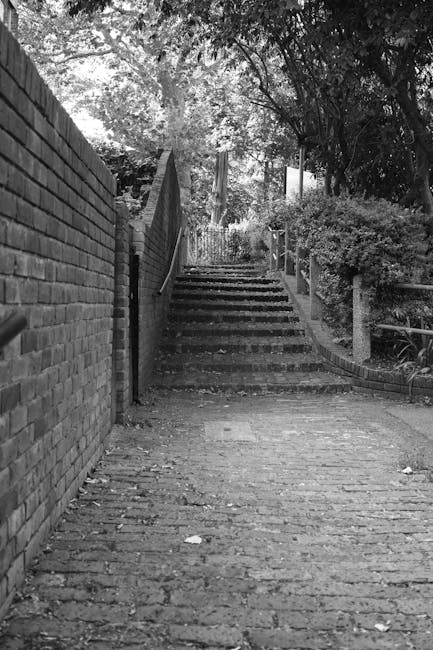
Narrow access and staircase moves on Wandsworth Road, Nine Elms
Posted on 02/06/2026
If you are facing narrow access and staircase moves on Wandsworth Road, Nine Elms, you already know this is not the sort of move you "just wing." Tight halls, awkward turns, basement steps, top-floor flats, small lifts that barely fit a suitcase, and parked vans that sit a little too far away can all turn a simple relocation into a proper puzzle. The good news? With the right planning, the right tools, and a calm approach, it becomes very manageable.
This guide breaks down what these moves involve, why they matter in this part of London, and how to handle them without the stress spiralling. Whether you are moving a flat, a student room, a family home, or a heavy item like a sofa or piano, you will find practical advice you can actually use. And yes, a bit of local common sense goes a long way here.
Why Narrow access and staircase moves on Wandsworth Road, Nine Elms Matters
Wandsworth Road and the wider Nine Elms area have a mix of newer apartment blocks, older conversions, riverside developments, and compact streets where access can be awkward even on a good day. That matters because a move is not only about getting items from A to B; it is about getting them safely out of a property, down stairs, around corners, through entrances, and into a van without damage.
In narrow-access buildings, every centimetre counts. A wardrobe that looks "fine" in the bedroom can suddenly be impossible to angle through a stairwell. A fridge can catch on a bannister. A mattress can bend in ways it really should not. The risk is not just a scraped wall or chipped paint. It is time lost, extra labour, avoidable injuries, and a lot of unnecessary frustration.
To be fair, these are the moves where experience really shows. Someone who has done a few of them knows that the first task is not lifting. It is observing. What is the width of the landing? Are the stairs straight or turning? Is the entrance door heavy? Is there a lift, and if so, is it actually usable for your furniture? That early read changes everything.
There is also the local factor. Wandsworth Road can be busy, parking can be limited, and the timing of a vehicle arrival matters. A van left too far from the entrance means more carrying, more fatigue, and a bigger chance of accidents. If you want a broader picture of moving-day logistics in the area, it is worth reading about Wandsworth Council parking rules and Nine Elms moves alongside this guide.
How Narrow access and staircase moves on Wandsworth Road, Nine Elms Works
The process is simpler than it sounds, but only if you treat it as a staged job rather than a last-minute scramble. In practice, a narrow-access move is usually handled through a mix of preparation, careful lifting, protective wrapping, and route planning. Staircase moves often require two-person carrying, furniture dismantling, or specialised carrying equipment. Sometimes all three. The day can feel a bit like a choreographed dance, except with a sofa and fewer smiles.
Here is the basic workflow most good movers follow:
- Assess the property access before move day.
- Measure key items and critical entry points.
- Decide what needs dismantling, wrapping, or both.
- Plan the safest exit route through the building.
- Protect walls, bannisters, floors, and furniture edges.
- Move heavier items with the right lifting technique and enough people.
- Load the van efficiently so the longest and heaviest items go in first.
On staircase-heavy jobs, the team will often rotate the carry rather than force one person to do too much. That is one of those details people underestimate. A stair move is not just physically tiring; it is technically awkward. A person can be strong and still struggle if the angle is wrong or the grip is poor.
If the property has a tight interior, some items may be safer going down on protective runners or with extra wrapping. For bigger pieces, it can be worth checking in advance whether the item can be partially dismantled. A flat-packed bed, for example, is usually much easier to manage than a fully assembled one. If you are dealing with a bed or mattress, this guide to moving beds and mattresses is especially useful.
It also helps to remember that a good move is as much about sequencing as strength. Door first, then stairs, then landing, then van. Simple on paper. Messy in real life. Still, with a proper plan, messy is not the same as unmanageable.
Key Benefits and Practical Advantages
There are real advantages to handling narrow-access and staircase moves properly. The most obvious one is damage prevention, but there are several others that matter just as much.
- Less risk of injury: Controlled lifting and clear routes reduce strain on backs, shoulders, and hands.
- Lower chance of property damage: Walls, bannisters, doors, and flooring stay protected.
- Faster completion: A planned route is much quicker than improvising at every corner.
- Better item protection: Wrapping and correct handling reduce knocks and scuffs.
- Less stress for everyone involved: You are not trying to solve three problems at once while standing in a hallway.
There is also a less obvious benefit: confidence. Once you know a plan exists, the whole move feels less chaotic. That matters, especially if you are moving from a high-floor flat or dealing with a narrow staircase where one wrong move can throw everyone off rhythm.
For people moving larger household items, the advantage of professional support is even clearer. Heavy furniture, awkward shapes, and tight internal access are exactly the kind of conditions that benefit from experienced handling. If you are weighing up what can be safely moved and how, the furniture removals Nine Elms service page is a useful next stop, and the same applies if you need a broader removals Nine Elms solution.
In short: better planning, fewer surprises, less sweating in the stairwell. Which, let's face it, is a win.
Who This Is For and When It Makes Sense
This kind of move is relevant to a lot more people than you might think. It is not only for people with grand pianos and giant wardrobes. It affects anyone who lives or works in a building where access is awkward enough to slow things down.
You will likely need this approach if you are:
- moving from a top-floor flat with no practical lift access
- relocating in a converted period property with tight stairs
- moving student accommodation with shared hallways and limited parking
- handling bulky items such as sofas, beds, wardrobes, fridges, or desks
- moving a piano or other fragile, weighty item
- working to a same-day deadline and cannot afford delays
- trying to move in or out with limited lift access or partial access only
It also makes sense if your move is small on paper but complicated in practice. A one-bedroom flat can still be tricky if the stairwell is narrow and your sofa has a fixed frame. On the flip side, a larger home may be straightforward if access is generous and furniture is already dismantled. So it is not really about size alone. It is about geometry, weight, and the path between the two.
Students and renters often underestimate this. A couple of boxes and a desk can look harmless until the turning radius at the bottom of the staircase says otherwise. For those moves, student removals in Nine Elms can be a sensible option, especially if time is tight and the building layout is a bit of a nuisance.
Step-by-Step Guidance
If you want to manage a narrow-access move well, start early. That sounds obvious, but people are often juggling work, handovers, cleaning, keys, and packing all at once. The stairwell then becomes the final boss of the move. Better to break it down.
1. Measure the problem areas
Measure doors, stair widths, landings, lift dimensions, and the largest furniture items. Do not guess. A tape measure is boring but powerful. It tells you whether something will fit, whether it needs tilting, or whether it should be dismantled before it ever reaches the hallway.
2. Identify the awkward items first
Look for items that are bulky, oddly shaped, or fragile under pressure. Sofas, beds, mirrors, large cabinets, washing machines, and pianos are obvious examples. Once these are identified, you can decide whether they need special handling. For sofas, a little preparation goes a long way; see expert sofa storage recommendations for ideas that also help during moving and short-term holding.
3. Clear the route
Move bins, rugs, loose items, and anything that might snag feet or furniture. In a staircase move, the route matters almost as much as the object itself. One stray shoe on a landing is all it takes. Annoying, but true.
4. Protect the building and the furniture
Use blankets, covers, corner protectors, and floor protection where needed. This is especially important on staircases with painted walls or polished banisters. Good protection prevents the sort of tiny damage that becomes a bigger conversation later.
5. Load in the right order
Start with heavier, longer items and fill gaps with boxes and lighter goods. If items are easy to stack, keep them grouped by room. You will thank yourself later when unloading. It is one of those small decisions that saves a ridiculous amount of time.
6. Use proper lifting technique
Lift from the legs, keep loads close to the body, and avoid twisting on stairs if you can help it. When something is awkward, stop and reset rather than forcing it. The move is not won by being brave for ten seconds; it is won by staying controlled for an hour or more. If you want a refresher on the body mechanics involved, the principles guiding kinetic lifting practices explains the basics in plain English.
7. Check the final landing and unload carefully
At the destination, do not rush the final turn or entrance. The end of the job is where tired people make little mistakes. Slow down. Set items down safely. Then, if needed, unwrap and reassemble in a calm order.
Expert Tips for Better Results
There are a few practical habits that make staircase moves noticeably easier. None of them are glamorous. All of them help.
Use a two-person carry whenever the item is awkward. Even if one person is stronger, the second person improves balance, communication, and control on stairs.
Disassemble more than you think you need to. A side table, headboard, or wardrobe frame might only need a few screws removed to become manageable. That small effort upfront can save a lot of friction later.
Wrap edges, not just the main surface. Corners and protruding parts are what knock walls and chip paint. That little edge on the arm of a sofa? Always seems to find the bannister.
Keep a landing zone clear. Stairs often have awkward "pause points." Leave those clear so the crew can rest, pivot, and communicate safely.
Schedule extra time for older buildings. Older staircases can be tighter, steeper, and less predictable than they look in photos. Add a buffer. You will almost always need it.
Do the noisy, clunky tasks earlier in the day if possible. In a dense London street, this can make the overall move feel more organised and less disruptive. It also helps if you have neighbours to keep on side, which is just good manners really.
If you are considering whether to hire help, a professional man with a van in Nine Elms or a broader removal service in Nine Elms can be a sensible fit, especially when the access issues are the real challenge rather than the distance itself.
A small practical aside: keep snacks and water nearby. It sounds trivial. It is not. A tired crew with low energy will move more slowly and make more mistakes. A biscuit and a cold bottle of water can be surprisingly valuable. British moving day economics, if you like.
![A downward view of a stairwell inside a building, showing metal and glass handrails on both sides, with beige tiled walls and a narrow strip of fluorescent lighting running along the ceiling. The stairs are made of dark material, possibly carpeted or rubberized, and lead down to an unseen lower level. The environment suggests an underground or underground-access point, with a focus on interior design typical of public transport stations or underground walkways. This image could relate to the loading or access point for a home relocation service, with [COMPANY_NAME] facilitating moves through narrow staircases or basement entries as part of their house removals and furniture transport services.](/pub/blogphoto/narrow-access-and-staircase-moves-on-wandsworth-road-nine-elms2.jpg)
Common Mistakes to Avoid
Most problems on narrow-access moves are avoidable. The same mistakes show up again and again, and they usually start with optimism. Fair enough, optimism is lovely. It just does not carry a wardrobe down three flights of stairs.
- Undermeasuring furniture and access points: Guessing almost always leads to last-minute hassle.
- Assuming the lift is usable for everything: Some lifts are too small, too fragile, or simply unsuitable for large items.
- Leaving packing too late: Loose drawers, missing screws, and half-filled boxes slow everything down.
- Trying to force items through tight corners: If an item does not fit, stop and reassess rather than bruising walls or damaging the item.
- Ignoring fatigue: Stair moves are tiring. Fatigue is when mistakes creep in.
- Not checking parking and access in advance: If the van cannot stop close enough, the whole move becomes harder.
- Failing to protect shared areas: Hallways and stairwells in flats and conversions need more care than people expect.
One of the biggest mistakes is assuming the "last bit" will be easy. It rarely is. The final staircase, the last turn, and the last metre to the van are often the hardest. That is exactly when you want a plan still working, not evaporating.
Tools, Resources and Recommendations
You do not need a truck full of specialist kit for every move, but a few items make a real difference in narrow properties and on stairs.
| Tool or resource | Why it helps | Best used for |
|---|---|---|
| Furniture blankets | Protects surfaces and reduces knocks | Wardrobes, sofas, tables, appliances |
| Straps and harnesses | Improves grip and load control | Heavy items on stairs |
| Protective floor covering | Prevents scuffs and dirt transfer | Hallways, landings, shared entrances |
| Basic tools set | Helps with dismantling and reassembly | Beds, cabinets, desks, shelving |
| Box labels and markers | Makes unloading more organised | Every room, especially in multi-floor properties |
For packing strategy, it is worth pairing the move with good box discipline. Clear labels, room grouping, and weight-balanced boxes reduce the strain on stair carries. If you want a more detailed approach, smart packing solutions are an excellent companion to this topic.
If you are moving a piano, freezer, or other specialist item, do not treat it like a standard box move. These are the jobs where handling technique, wrapping, and weight distribution matter much more. You can also look at piano removals Nine Elms or read up on the pitfalls of solo piano relocation if you are trying to understand why specialist handling exists in the first place.
For larger home moves, the broader support of house removals in Nine Elms, flat removals Nine Elms, or even same-day removals in Nine Elms may be more appropriate than trying to piece together a one-off solution.
Law, Compliance, Standards, or Best Practice
For moves like this, there are a few sensible compliance and best-practice points to keep in mind. They are not glamorous, but they matter.
Health and safety: Any moving activity involving heavy lifting, awkward angles, or repetitive carrying should be approached with proper risk awareness. If a move looks unsafe, the better answer is usually to pause, adjust the method, or bring in help. That is not being cautious for the sake of it; it is good practice.
Property care: Shared buildings, converted flats, and managed developments often have rules about protecting communal areas. In practical terms, that means using coverings, avoiding damage, and keeping access clear for others.
Parking and access planning: On roads like Wandsworth Road, access planning is part of the move, not an afterthought. A van parked too far away creates more manual handling and more risk. If you need a fuller local parking reference, the article on Wandsworth Council parking rules and Nine Elms moves is worth a read.
Insurance awareness: For valuable or fragile items, it is sensible to understand what cover is in place and how items are being handled. That is why many customers look into insurance and safety before booking.
Accessibility and inclusion: In some buildings, stair access is effectively the only access. In others, limited mobility or narrow internal layouts may influence how the move is carried out. Good providers will take that into account and plan accordingly. The accessibility statement is useful for understanding how accessibility is approached more broadly.
At a business level, it is also worth checking provider policies and service information. The health and safety policy, terms and conditions, and about us pages all help build a fuller picture of how a company works. Not exciting reading, I know. Still useful.
Options, Methods, or Comparison Table
When you are deciding how to tackle a narrow-access staircase move, you generally have a few routes. The best one depends on what you are moving, how much there is, and how awkward the access feels in real life.
| Method | Best for | Advantages | Limitations |
|---|---|---|---|
| DIY with a helper | Light loads, small flats, short stairs | Lower cost, flexible timing | Higher physical strain, more chance of mistakes |
| Man and van support | Medium moves, mixed furniture, tight access | Helpful lifting support, better load handling | Still depends on preparation and item size |
| Full removal service | Whole home moves, large furniture, complex staircases | Most efficient, safest for awkward items | Usually more expensive than a smaller service |
| Specialist item move | Pianos, heavy appliances, delicate furniture | Best protection and technique | Only appropriate for certain items |
In real life, many people mix methods. For example, they might handle boxes themselves but bring in a man and van in Nine Elms for the heavy furniture. That hybrid approach is often smart, especially when access is tight but the overall volume is moderate.
If you are looking at the cost side of things, the best value is not always the cheapest quote. A slightly higher price that includes proper handling, time planning, and insurance can save money by avoiding damage. The same logic applies if you are comparing removal companies in Nine Elms or reviewing pricing and quotes.
Case Study or Real-World Example
Here is a realistic example from the sort of move people face in this part of London.
A tenant in a top-floor flat on Wandsworth Road had a narrow stairwell, a fixed banister, and a sofa that looked perfectly normal in the living room but far too wide for the final turn. They also had a bed frame, a fridge, and several boxes that had been packed in a hurry. At first glance, the move seemed straightforward because the property itself was not huge. The problem was access.
The solution was simple in theory and a bit fiddly in practice. The sofa was wrapped and measured against the turning points, the bed was partially dismantled, and the fridge was moved after the route had been cleared. The loading plan put the awkward items first, leaving the boxes for the gaps. The team used pauses on the landing rather than forcing continuous movement. Nothing dramatic. Just the right steps in the right order.
What made the biggest difference was not brute strength. It was the fact that the access was assessed early and the items were treated according to the staircase, not according to wishful thinking. That may sound obvious, but the number of moves that fail at that exact point is not small.
For similar situations involving furnishing, a useful supporting reference is from start to finish moving your bed and mattress perfectly, especially if a bedroom is on an upper floor and the stairwell is tight.
Practical Checklist
Use this before moving day, ideally the day before if you can. It will save time. Probably nerves too.
- Measure the widest furniture pieces.
- Measure doorways, stairs, landings, and lifts.
- Identify anything that should be dismantled.
- Pack and label boxes by room.
- Remove loose items from stairwells and hallways.
- Protect floors, banisters, and corners.
- Confirm parking and loading access for the van.
- Check whether specialist lifting or extra help is needed.
- Keep water, phone chargers, and keys easy to reach.
- Set aside cleaning supplies for the final room check.
It is also smart to declutter before the move rather than pay to move things you no longer want. If you need a practical reset before moving day, decluttering advice before your move can help you cut the load before the stairs ever become part of the problem.
And once everything is out, a proper clean helps close the chapter neatly. There is something satisfying about that empty-room echo on the final walk-through. For a helpful hand with that stage, see effective ways to clean before leaving a house.
Get a free quote today and see how much you can save.
Conclusion
Narrow access and staircase moves on Wandsworth Road, Nine Elms are manageable when the move is planned around the building instead of against it. Measure carefully, pack properly, protect surfaces, and accept that some items need more than a quick lift and a hopeful grin. The buildings in this area can be challenging, but they are not impossible.
If you take one thing from this guide, let it be this: access changes the whole move. Once you understand the stairs, landings, turns, and parking realities, everything else becomes easier to organise. That means fewer delays, fewer mishaps, and a much calmer moving day overall.
When the route is tight and the staircase looks unforgiving, experience and preparation matter more than speed. And honestly, that is reassuring. The job can still be done well, carefully, and without drama. That is the point.